

 4025 Brandon Gate
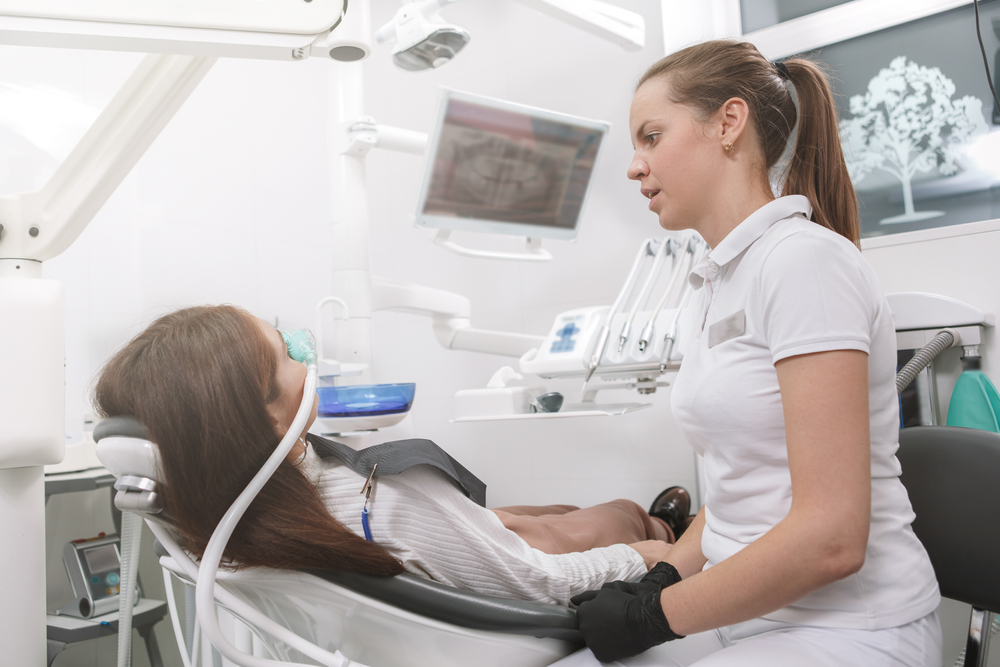
Dental anxiety keeps many people from getting the care they need. If you feel nervous about dental visits, you have options. Sedation dentistry in Malton offers several ways to help you relax during procedures. Understanding the different types of sedation helps you choose what is right for you. Each type works differently and provides different levels of relaxation. This guide explains all your options so you can feel calm and comfortable during your dental work.
What Is Sedation Dentistry?
Sedation dentistry uses medicine to help you relax during dental procedures. You remain awake but in a deeply relaxed state. Some patients do not remember their procedure at all.
Sedation is not the same as general anesthesia used in surgery. With sedation, you stay conscious. Your dentist can talk to you, and you can respond.
Why People Choose Sedation
Many people have dental anxiety. Sedation dentistry helps by:
- Reducing fear and worry
- Making time pass quickly
- Helping you stay still during procedures
- Allowing longer procedures in one visit
- Creating positive dental experiences
At a dental clinic in Malton, your dentist can discuss whether sedation is right for you.
Types of Sedation Dentistry
Different levels of sedation exist. Your dentist recommends the right level based on your anxiety and the procedure needed.
Nitrous Oxide Sedation
Nitrous oxide is also called laughing gas. You breathe it through a mask mixed with oxygen. It works quickly and wears off quickly.
With nitrous oxide:
- You stay fully awake and aware
- You can respond to your dentist
- You remember the procedure
- You can drive home right after
This is the mildest form of sedation. It works well for people with mild anxiety.
Oral Sedation
You take a pill about an hour before your appointment. The medicine makes you drowsy and relaxed.
With oral sedation:
- You are awake but drowsy
- You may not remember much
- Recovery takes a few hours
- You need someone to drive you home
This works well for moderate anxiety.
IV Sedation
Medicine goes directly into your vein through an IV. Your dentist controls the depth of sedation.
With IV sedation:
- You are deeply relaxed
- You may not remember anything
- Your vital signs are monitored
- Recovery takes several hours
- You must have someone drive you home
This is the deepest sedation dentistry offers. It works well for severe anxiety or long procedures.
How Each Type Works
Nitrous oxide works by slowing your brain activity slightly. You feel relaxed and calm. The effect wears off as soon as you stop breathing it.
Oral sedation works through the bloodstream. The medicine makes you sleepy and less aware. It takes time to wear off completely — usually a few hours.
IV sedation provides the fastest and deepest effect. Your dentist adjusts the medicine throughout the procedure. You sleep-like state during work.
Benefits of Sedation Dentistry
The benefits of sedation dentistry are significant for anxious patients.
You feel calm and relaxed. Dental procedures are less scary. Many patients can get more work done in fewer visits. You have positive experiences that make future visits easier.
At a dentist near Rexdale, sedation options make dental care accessible to people who would otherwise avoid it.
Is Sedation Safe?
Yes, sedation dentistry is very safe. Your dentist is trained in sedation. They monitor your vital signs throughout the procedure.
Tell your dentist about all medications and health conditions. This helps them choose the safest option for you.
Finding the Right Option for You
Your anxiety level and the procedure type determine which sedation works best. Your dentist will discuss options and recommend what is right.
At Brandon Gate Dental Care, our team specializes in sedation dentistry and making anxious patients feel comfortable and safe. We listen to your concerns and create a treatment plan that works for you. Book your sedation dentistry consultation with us today and discover how we can make dental care comfortable.
Frequently Asked Questions
Q1. Which type of sedation is most popular?
Oral sedation is popular because it is convenient and effective. Nitrous oxide is popular for people who want to drive home immediately. Your dentist recommends the best option for your situation.
Q2. Will I feel pain with sedation?
No, your dentist still numbs the area with a local anesthetic. Sedation helps you relax emotionally, while anesthesia prevents pain physically.
Q3. How long does recovery take from each type?
Nitrous oxide wears off immediately. Oral sedation takes a few hours. IV sedation can take several hours. Your dentist will tell you what to expect.
Q4. Can anyone get sedation dentistry?
Most people can, but certain health conditions affect eligibility. Talk to your dentist about your health history to determine if sedation is safe for you.
Q5. Does sedation cost extra?
Yes, sedation adds to the cost of your procedure. Ask your dentist about pricing and whether insurance covers any sedation costs.